
Master Your Blood Pressure Through Smart Nutrition
Learn evidence-based dietary strategies and nutritional principles to support healthy blood pressure levels. Our comprehensive guide explores how food choices impact cardiovascular wellness.
The information on this site is for educational purposes only and does not constitute medical advice. Always consult a qualified healthcare professional before making health decisions.
Essential Nutrition Fundamentals
Sodium Management
Understanding sodium intake and its relationship to fluid balance and cardiovascular function is fundamental to nutrition education.
Potassium Rich Foods
Explore plant-based sources of potassium and how mineral balance contributes to overall nutritional wellness and vitality.
Heart-Healthy Fats
Learn about omega-3 fatty acids, monounsaturated fats, and other lipid profiles important for cardiovascular nutrition.
Dietary Patterns
Discover nutritional frameworks and eating patterns recognized in nutritional science for supporting overall wellness.
Why Nutrition Matters for Blood Pressure Health
Your dietary choices directly influence blood pressure regulation through multiple physiological pathways. Sodium intake affects fluid retention, potassium supports electrolyte balance, and various micronutrients modulate vascular function and endothelial health.
This guide presents current nutritional science perspectives on how macronutrients and micronutrients influence cardiovascular parameters. We explore evidence-based dietary approaches, food selection principles, and lifestyle considerations supported by nutritional research.
- Comprehensive nutritional information and dietary guidance
- Evidence-based food recommendations and meal planning
- Educational content on nutrient roles and health
- Practical strategies for dietary modification
Key Nutritional Strategies
Sodium Control
Evaluate current sodium consumption patterns and identify sources in the diet. Learn strategies for reducing processed food intake while maintaining flavor through herbs, spices, and whole ingredients. Understanding daily sodium recommendations helps with informed food selection.
Mineral Balance
Incorporate potassium, magnesium, and calcium through whole foods including leafy greens, legumes, nuts, and dairy products. These minerals support optimal vascular function and electrolyte equilibrium. Understanding mineral-rich food sources enhances nutritional planning.
Whole Food Patterns
Adopt eating patterns emphasizing vegetables, fruits, whole grains, lean proteins, and healthy fats. Plant-based nutrition supports diverse micronutrient intake. Learning to build balanced meals with whole ingredients is foundational to dietary improvement.
Recommended Food Categories
Vegetables
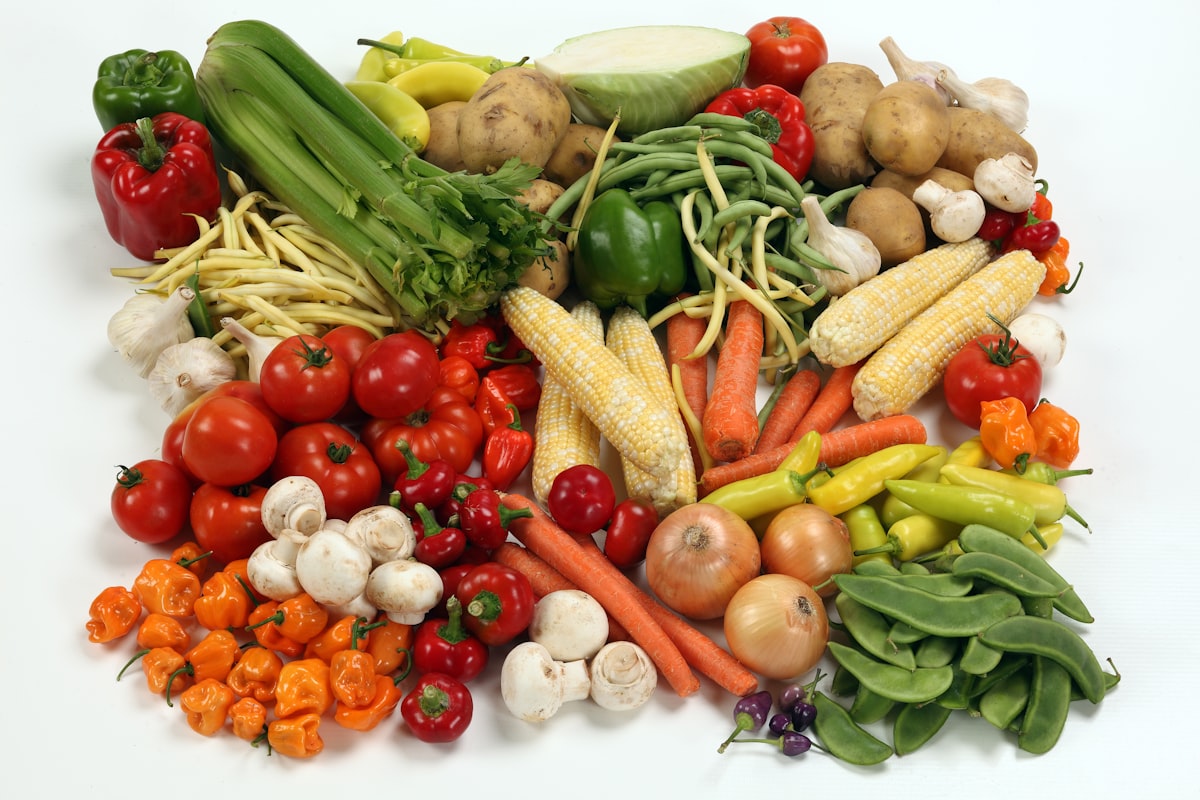
Emphasize colorful vegetables including leafy greens, broccoli, bell peppers, and root vegetables. These foods provide fiber, potassium, and phytonutrients while being naturally low in sodium.
Read moreFruits
Include fresh fruits rich in potassium such as bananas, oranges, berries, and melons. Fruits offer natural sweetness, fiber, vitamins, and minerals essential for nutritional wellness.
Read moreWhole Grains
Choose whole grain breads, brown rice, oats, and quinoa instead of refined grains. Whole grains provide sustained energy, fiber, and B vitamins important for cardiovascular nutrition.
Read moreLean Proteins
Select poultry, fish, legumes, and lean cuts of meat. Fish rich in omega-3 fatty acids supports heart health. Plant-based proteins offer additional nutrients and fiber.
Read moreHealthy Fats
Include olive oil, nuts, seeds, and avocados which provide monounsaturated and polyunsaturated fats. These lipid profiles support cardiovascular wellness and nutrient absorption.
Read moreHydration
Maintain adequate water intake while limiting sugary beverages and excessive caffeine. Proper hydration supports metabolic function and overall wellness. Learn about optimal fluid intake recommendations.
Read moreFrequently Asked Questions
Dietary sodium recommendations typically suggest limiting intake to approximately 2,300 mg per day for adults. Current nutritional science suggests that many individuals benefit from even lower intake levels, around 1,500 mg daily, particularly those focused on cardiovascular wellness. The key is to evaluate individual dietary patterns and gradually reduce reliance on processed foods which contain the majority of dietary sodium in modern diets.
Bananas are well-known sources, but also consider sweet potatoes, spinach, white beans, lentils, and avocados. Tomatoes, broccoli, and cantaloupe offer accessible options. Dried fruits like apricots and raisins provide concentrated amounts. Start by adding one or two potassium-rich foods to meals you already enjoy—for instance, adding beans to salads or spinach to soups.
Nutritional science demonstrates that comprehensive dietary modifications can have substantial impacts on cardiovascular parameters. Multiple research frameworks show that patterns emphasizing whole foods, adequate potassium and magnesium, reduced sodium, and limited processed foods contribute to healthier physiological states. Individual responses vary, and combining dietary changes with other lifestyle factors typically produces the most significant results.
Restaurant meals typically contain higher sodium due to preparation methods and sauces. Request dishes prepared without added salt, ask for sauces on the side, and select grilled or baked preparations over fried options. Many restaurants now provide nutritional information. Choosing establishments offering fresh, whole ingredient options makes compliance easier. Planning ahead by reviewing menus beforehand helps with informed decisions.
Nutrition labels display sodium in milligrams. The percent daily value helps contextualize amounts—5% or less is considered low, while 20% or more is considered high. For processed foods, aim for products containing less than 500 mg of sodium per serving, and ideally look for items providing less than 300 mg. Comparing similar products helps identify lower-sodium alternatives. Fresh, whole foods naturally contain minimal sodium.
Well-planned whole-food diets typically provide sufficient nutrients for most individuals. Whole fruits, vegetables, grains, and proteins contain bioavailable forms of nutrients. However, individual circumstances vary, and some people may benefit from supplementation based on dietary restrictions or specific needs. Our content provides nutritional information to help evaluate adequacy. For personalized supplementation questions, consult appropriate nutrition professionals.
What Our Readers Say
"This nutritional guide provided exactly what I needed to understand how my food choices affect my cardiovascular health. The explanations are clear, science-based, and immediately actionable. I've completely restructured my shopping habits based on these articles, focusing on whole ingredients and reducing processed foods. The mineral content information helped me understand why my diet wasn't balanced before."
Budi Santoso - Jakarta, Indonesia
"I appreciate how comprehensive yet accessible this content is. The articles break down complex nutritional concepts into digestible information. The food category recommendations help me make better choices at the market and when cooking at home. The sodium awareness section was particularly eye-opening about hidden salt in processed items I thought were healthy."
Siti Nurhaliza - Bandung, Indonesia
"Finally, an educational resource that doesn't make me feel overwhelmed or judged about my eating habits. The practical strategies for reducing sodium while maintaining flavor through herbs and spices changed how I cook. The information about mineral balance is detailed enough to be useful without requiring a nutrition degree to understand. This is genuine, helpful content."
Ahmad Wijaya - Surabaya, Indonesia
Deepen Your Nutritional Knowledge
Explore our comprehensive collection of articles about nutrition, dietary strategies, food selection, and the science of how nutrients support cardiovascular wellness. Our editorial content helps you make informed decisions about what you eat.
Subscribe to receive our latest nutritional articles and updates
We respect your privacy. Unsubscribe anytime.